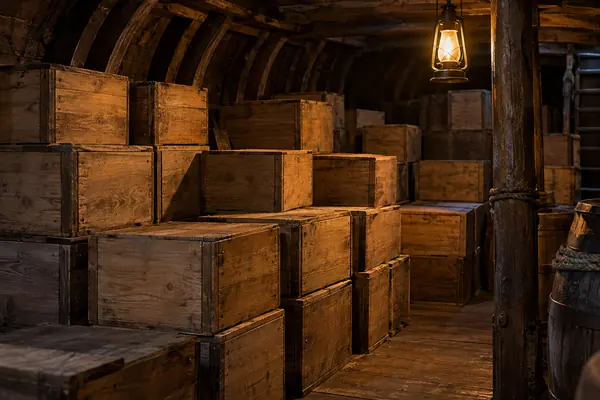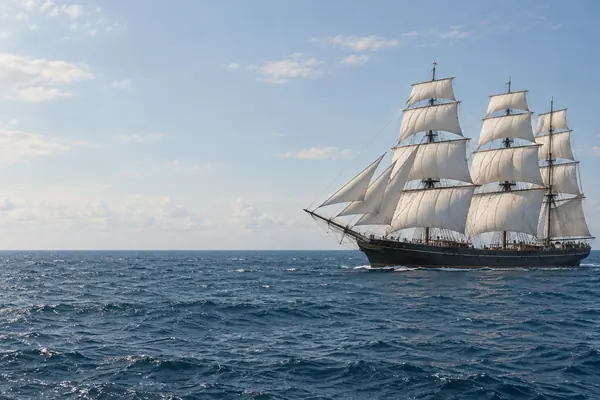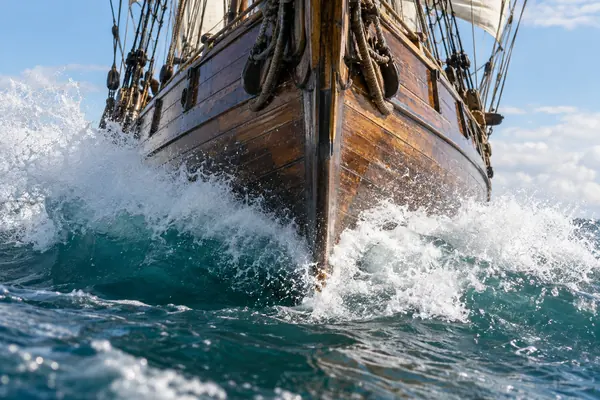
THE HULL
Cut through, not over
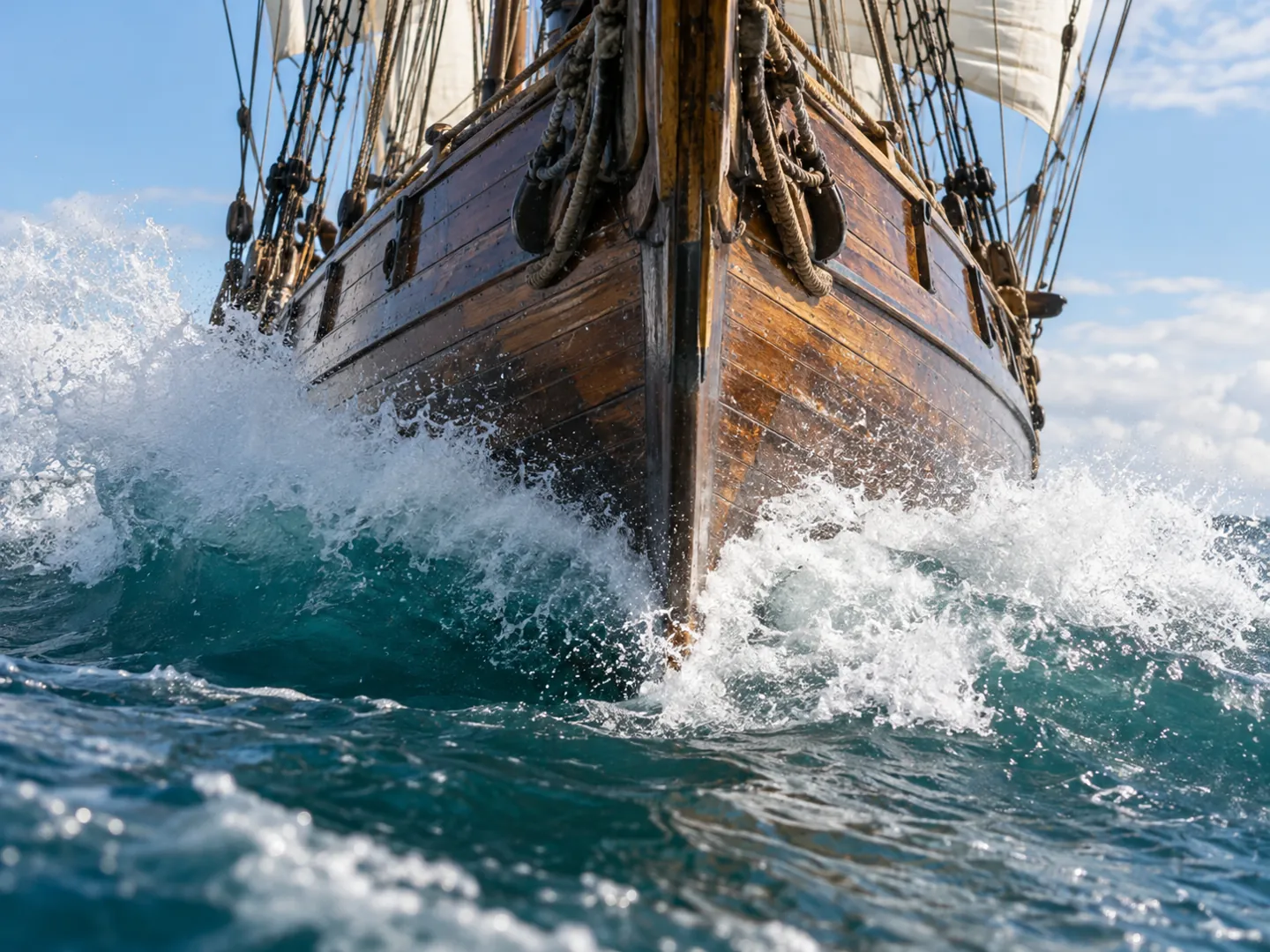
Royal Museums Greenwich lists three marks of a clipper: a long, narrow hull, a sharp bow that cuts through waves rather than riding on top, and three raking masts.
Compare the ships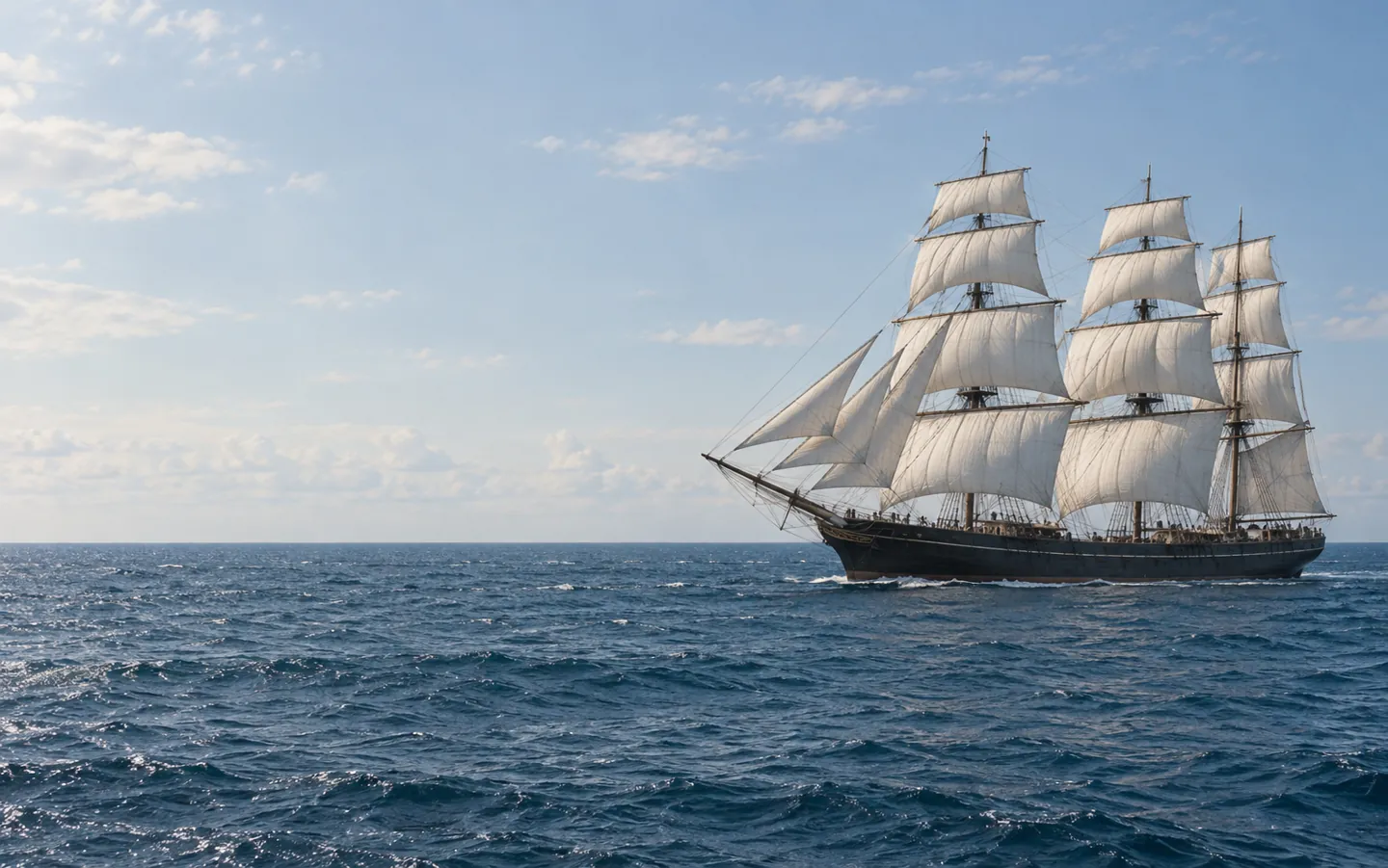
 doodleclipper
A SHORT HISTORY OF THE CLIPPER
99 DAYS China to London, 1866
Speed came first, cargo second.
In the mid-1800s, the first tea of the season to reach London fetched the best prices. Shipowners answered with clippers: narrow, over-canvassed sailing ships designed to outrun everything afloat.
Updated
Pick a shipTHE SHORT ANSWER
A clipper traded cargo space for speed.
For a while, that was worth it.
THE HULL
Royal Museums Greenwich lists three marks of a clipper: a long, narrow hull, a sharp bow that cuts through waves rather than riding on top, and three raking masts.
Compare the shipsTHE CARGO
Victorians prized the first tea unloaded in London. Merchants paid premiums of 10 shillings per ton on the winning ship's cargo, so the races were fierce.
See the numbersTHE END
The Suez Canal opened in 1869 and cut the voyage to China by over 3,000 miles. Steamships could use it; sailing ships, facing hard winds and tolls, could not.
What happened nextA QUICK SHIP CHECK
Pick a ship from the China tea trade. The value is what the records say about its passage; the bar shows how fast it was compared with the others.
Figures from Royal Museums Greenwich and the record of the 1866 tea race. Passage times varied with season, winds and route.
TWO NUMBERS WORTH KNOWING
One figure from the closest tea race of all,
one from the last surviving clipper.
99 days
China to London, three ships, one tide
Three clippers that left China on the same tide arrived in London 99 days later and docked on the same tide, after a passage of more than 14,000 miles.
THE GREAT TEA RACE · 1866
8 voyages
Tea voyages before steam took over
Launched in 1869 for the China tea trade, Cutty Sark made just eight tea voyages, carrying almost 10 million lb of tea between 1870 and 1877, before steamships forced it out.
CUTTY SARK · ROYAL MUSEUMS GREENWICH
Cutty Sark is the world's only surviving extreme clipper. More than 90% of its hull structure is original to 1869, and it has been on show in a dry dock at Greenwich since 1957.
FOUR THINGS TO LOOK FOR
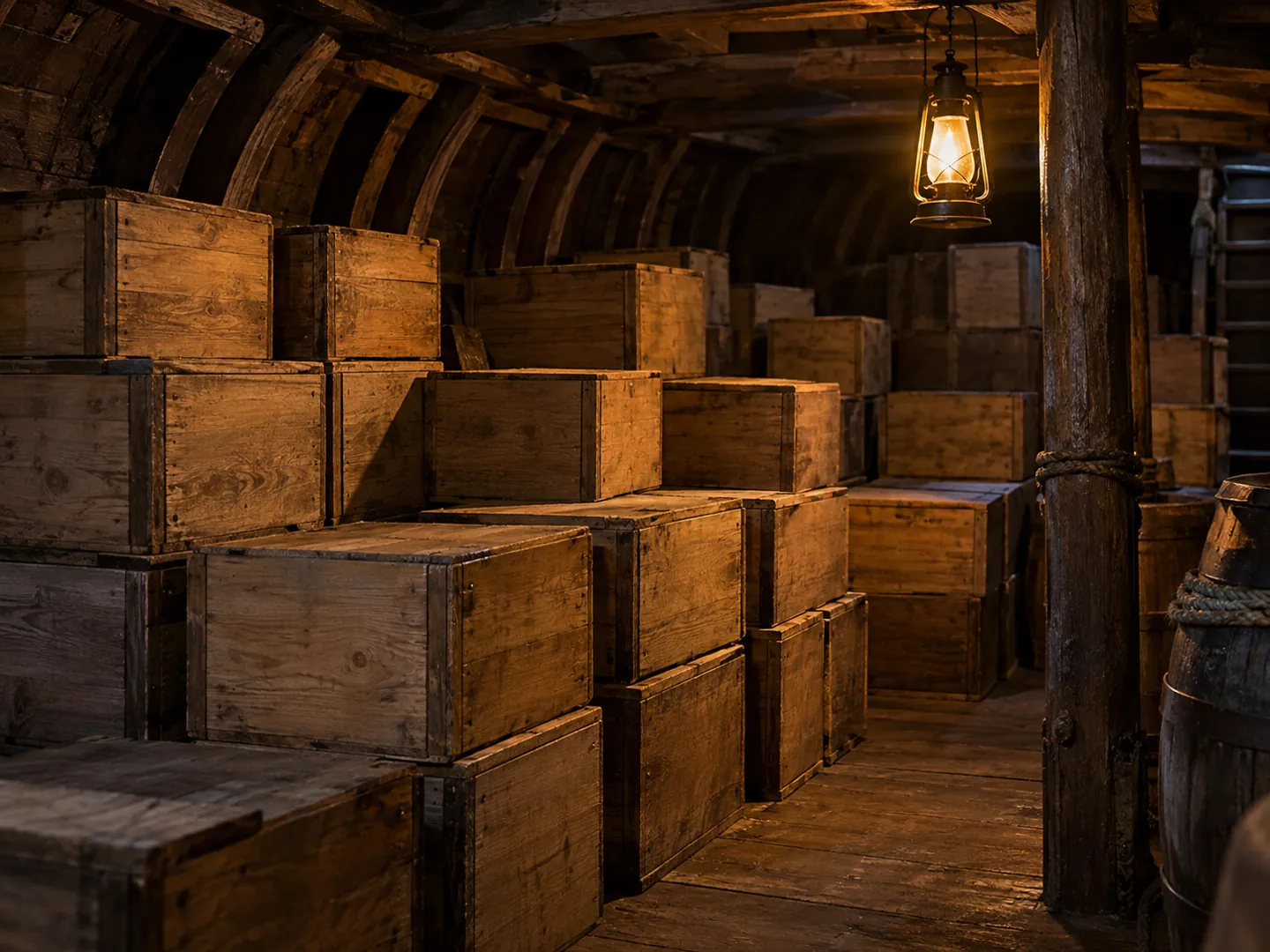
In old paintings, ship models or at a maritime museum, these features mark a ship built for speed.
Clippers were narrow for their length. Their sharpness limited how much cargo they could carry.
A sharp bow was meant to cut through the waves rather than ride over them.
Three raking masts, set at a slant. The term clipper is not tied to one rig, but this is the classic look of a tea clipper.
Clippers were greatly over-canvassed. With every sail out, Cutty Sark carried 32,000 square feet of canvas.
AFTER THE TEA RACES
Pushed out of the tea trade, Cutty Sark carried coal and other cargoes before finding work in the Australian wool trade from 1883. In 1886 it sailed from Sydney to London in a record-breaking 73 days.
Built to last just 30 years, it served 52 years as a working ship and 22 as a training ship. It survived a dismasting in the First World War and a serious fire in 2007, and reopened at Greenwich in 2012.
Questions
A clipper was a mid-19th-century merchant sailing ship designed for speed above cargo space or cost. Clippers were narrow for their length, carried a large sail area and could have different rigs.
The origin is uncertain, but the word is thought to come from the verb to clip, which then meant to run or fly swiftly. British newspapers were using the term by 1832.
A race between tea clippers to be first to dock in London with the new season's tea. Three ships left China on the same tide and docked 99 days later; the winner arrived just 28 minutes ahead of the runner-up.
Steamships got faster and more efficient, and the Suez Canal, opened in 1869, gave them a route around 3,000 miles shorter. Sailing ships could not use it practically, so they lost the tea trade.
Yes. Cutty Sark, launched in 1869, is the world's only surviving extreme clipper. It sits in a dry dock in Greenwich, London, and more than 90% of its hull structure is original.
Sources
ABOUT THIS NAME
doodleclipper.com is part of the DoodleSale portfolio. It isn't in an auction right now, but you can ask about leasing it.